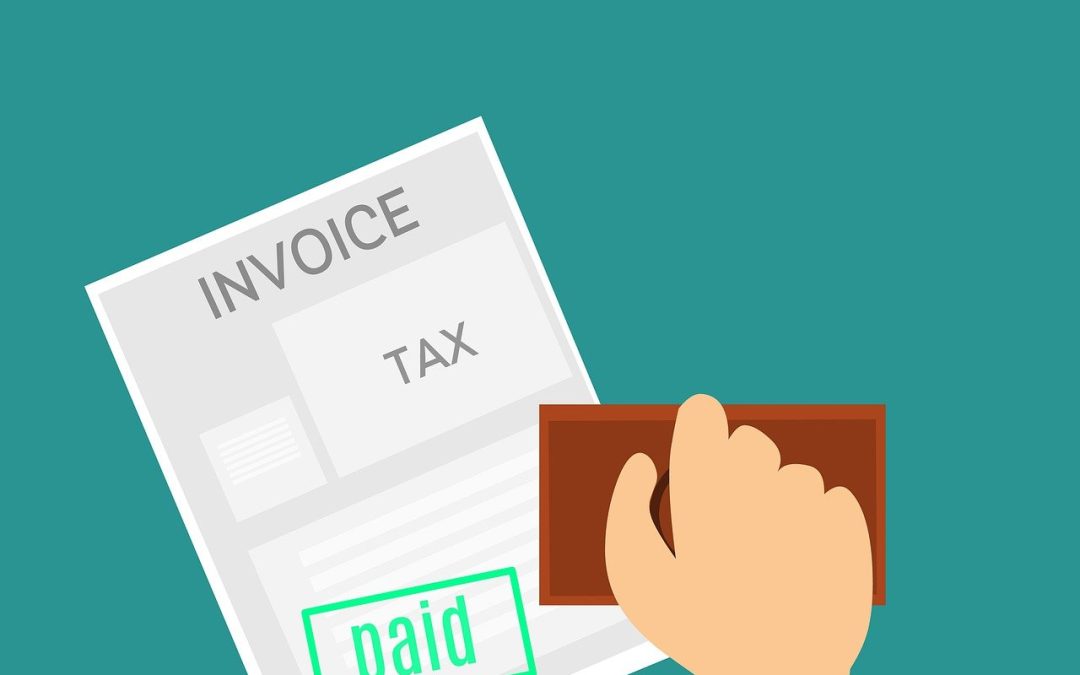
The new Royal Decree establishes mandatory e-invoicing between businesses and self-employed professionals in Spain, aiming to digitalize payments and reduce delays that affect business liquidity. This measure, which develops the Crea y Crece Law, allows each invoice to be tracked in a complete and traceable manner throughout the entire process.
What changes: full control over payments
Unlike PDFs or paper documents, B2B e-invoices are structured files that accounting systems can read automatically. This enables the recording of three key milestones: invoice issuance, acceptance, and actual payment date.
Spain has long struggled with payment delays. On average, payments take about 80 days, well above the legal limit of 60 days. The new regulation gives companies, especially SMEs and self-employed professionals, greater control over collections to reduce these delays.
Implementation deadlines
The rollout will be gradual, starting from the publication of the ministerial order detailing the technical requirements:
- Companies with annual turnover above €8 million: 1 year to comply
- Other companies and self-employed professionals: 2 years to fully implement the regulation.
How the system will work
Companies will be able to exchange e-invoices through two channels, ensuring interoperability:
- Private platforms: These must interconnect at no cost, preventing any company from being forced to use a client-specific platform
- Public free solution: Developed by the Spanish Tax Agency (AEAT), accessible to any company or self-employed professional.
The law makes it clear that these solutions must be interoperable and free, and that the invoice recipient cannot require a specific service provider.
Impact on combating late payments
This is the core of the reform. The obligation to report the status of each invoice—including acceptance and payment date—provides complete traceability.
Why is this important? It will now be much easier to detect actual delays and hold parties accountable. Another clear benefit is reduced administrative burden, as accounting software can read structured data directly, avoiding errors and unnecessary manual work.
Differences from Verifactu
It is important not to confuse this with the so-called Verifactu Royal Decree. While B2B e-invoicing focuses on improving relationships between businesses and speeding up payments, Verifactu aims to combat tax fraud by imposing requirements on invoicing software producers.
Conclusion
B2B e-invoicing is no longer a future prospect—it is already a reality in Spain. The gradual implementation schedule provides businesses with time to adapt, but the direction is clear: fewer delays, greater control, and a more digital and efficient economy.